Fact-checked October 31, 2026
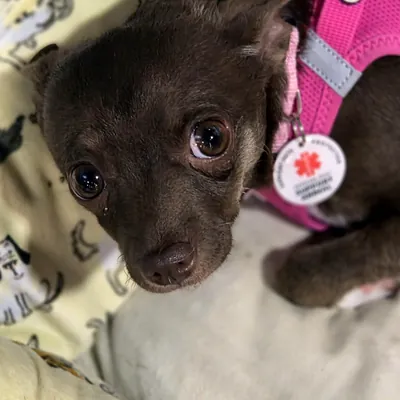
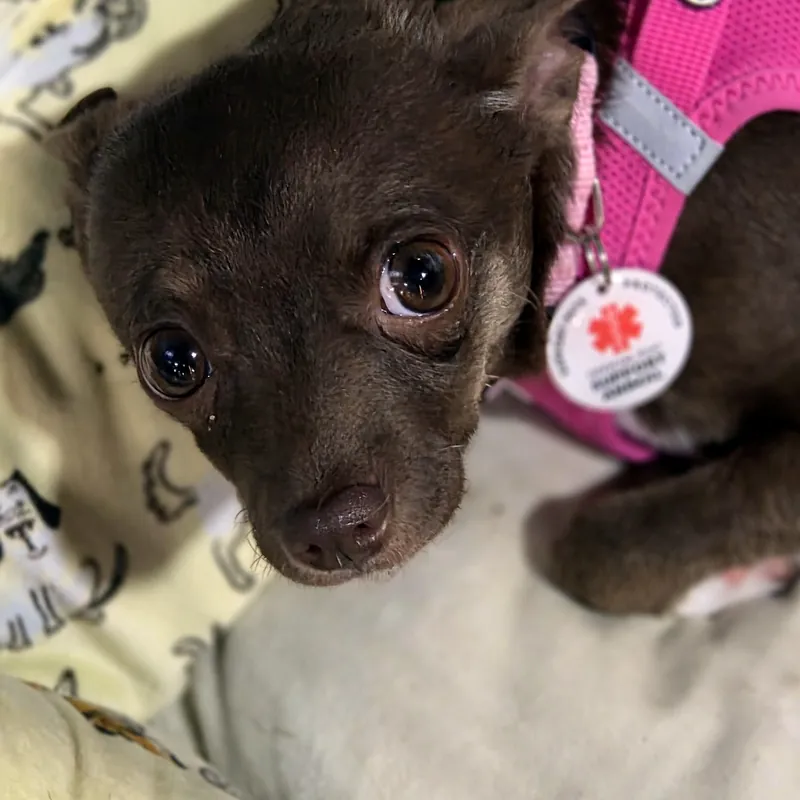
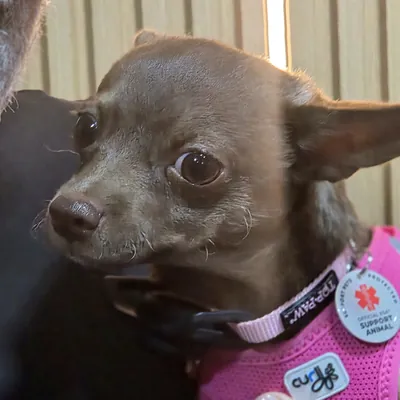
Demi is six months old: still a baby, growing fast and full of personality. Here's what vets and breed experts say matters most for a Chihuahua puppy right now.
Meet the breed
- The American Kennel Club breed standard says Chihuahuas should not exceed 6 pounds. They come in smooth and long coats.
- They're described as alert, confident and self-reliant, with "terrier-like" attitude in a tiny body.
- The breed is named for the Mexican state of Chihuahua and was recognized by the AKC in 1904. It was bred for a warm climate, which is why so many Chihuahuas wear sweaters.
- They often live into their mid to late teens (AKC). VCA lists 14 to 18 years.
Meals and low blood sugar
Tiny toy puppies are the most at risk of low blood sugar (hypoglycemia). The AKC says it can be triggered by long gaps between meals, lots of activity, cold or stress. Signs include lethargy, weakness, trembling, wobbliness, seizures and collapse.
AKC first aid: corn syrup or honey given by mouth or rubbed on the gums can temporarily stabilize it, but it is an emergency. Go to the vet right away.
How many meals? The AKC's general timeline is three meals a day from 3 to 6 months and two a day from 6 to 12 months, with small breeds switching to adult food at about 7 to 9 months. VCA advises frequent small meals for tiny puppies. Since advice differs, ask your vet what's right for your pup.
Teeth
Most puppies have all their adult teeth by 6 to 7 months. Baby teeth that don't fall out are more common in small breeds. VCA says to check weekly until about 7 to 8 months, and that leftover baby teeth usually need prompt removal, without waiting for the spay or neuter.
Chihuahuas are prone to gum disease. The American Veterinary Medical Association calls brushing "the single most effective thing" for dental health, and daily is best. Use pet toothpaste only, never human toothpaste.
Warmth and safe landings
- Chihuahuas lose body heat quickly (VCA), and the Chihuahua Club of America notes that getting chilled can trigger low blood sugar. Keep puppies warm and out of drafts.
- VCA warns that toy breeds have broken legs just jumping down from the sofa. Teach your puppy to wait to be lifted, or add pet stairs.
- Many Chihuahuas have a soft spot on the head (a molera). The breed club says it's usually harmless.
Training and friends
The American Veterinary Society of Animal Behavior recommends only reward-based training methods, and VCA says Chihuahuas do poorly with force and do well with rewards, especially food. Early socialization matters: AVSAB says behavior problems, not infectious disease, are the number one cause of death in dogs under 3.
For exercise, VCA says a walk around the block once or twice a day plus games and tricks is plenty, and recommends small-dog-only areas rather than general dog parks.
Vet visits
The CDC recommends a vet visit within a few days to a week of bringing a new puppy home. In Florida, rabies vaccination is required by 4 months of age (see our Palm Beach County dog rules guide).
Friendly info, not veterinary, medical or legal advice. Rules, hours and fees change, so check the official source, and always ask your own vet about your pup.
Sources
- AKC Chihuahua breed standard (PDF)
- AKC: Fun facts about Chihuahuas
- AKC Chihuahua health statement (PDF)
- VCA Hospitals: Chihuahua (smooth coat)
- AKC: Hypoglycemia in dogs
- Chihuahua Club of America flyer (PDF)
- AKC: Puppy feeding fundamentals
- VCA: Retained baby teeth
- AVMA: Pet dental care
- VCA: First aid for falls
- AVSAB: Puppy socialization position statement (PDF)
- AVSAB: Reward-based training
- CDC: Dogs